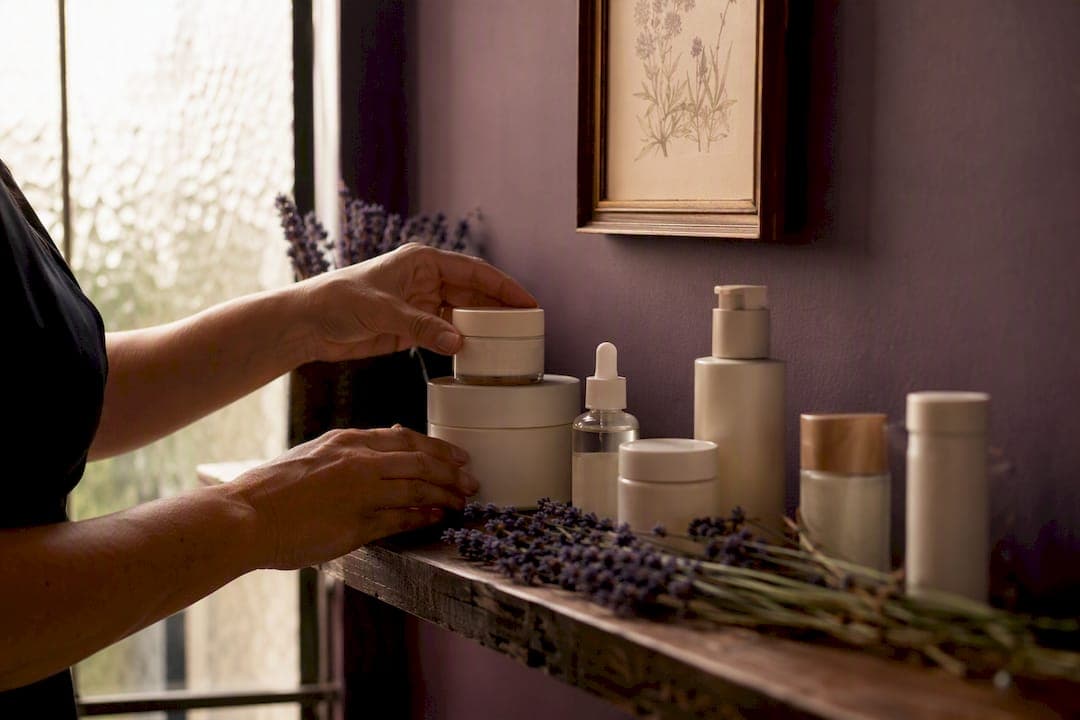
If you have sensitive skin or a fragrance allergy, choose fragrance-free products, not unscented ones. "Unscented" often means a manufacturer added masking fragrances to cancel out other smells in the formula, and those masking agents are still fragrance chemistry. Both the EPA's Safer Choice program and the American Academy of Dermatology point buyers toward fragrance-free labeling for this exact reason.
Before you buy anything new, do three things:
- Read the full ingredient list, not just the front label.
- Look for a recognized fragrance-free seal.
- Patch test on your inner arm for 48 hours.
Quick fact: Fragrance ingredients are among the most frequently reported causes of allergic and irritant skin reactions, according to peer-reviewed dermatology research.
Key Takeaways
Fragrance-free products are the safer default for reactive or allergy-prone skin because "unscented" can still legally contain masking fragrance chemistry.
| Point | Details |
|---|---|
| Prefer fragrance-free labels | Choose fragrance-free over unscented if you have eczema, allergies, or reactive skin. |
| Watch for masking agents | "Unscented" products can contain fragrance chemicals added to neutralize other smells. |
| Read full ingredient lists | Labels aren't federally standardized, so ingredient lists are your most reliable check. |
| Use trusted seals as shortcuts | The National Eczema Association Seal excludes fragrance materials from certified products. |
| Patch test before full use | Apply new products to your inner arm for 48 to 72 hours and watch for reactions. |
| Choose transparent formulas | Theinfinitebath's gel cleanser, lactic serum, and renewal cream use gentle, disclosed ingredients. |
Table of Contents
- Unscented Vs. Fragrance Free: What "Unscented" Actually Means
- What "Fragrance-Free" Really Promises (And Where It Gets Fuzzy)
- Why This Distinction Matters So Much for Reactive Skin
- What FDA and EPA Rules Actually Cover (And What They Don't)
- How to Spot Fragrance Hiding in an Ingredient List
- Certification Seals Worth Trusting
- Building a Safer Shopping Routine (And Testing New Products Right)
- Why Ingredient Simplicity Beats Marketing Labels
- A Fragrance-Aware Routine That Matches This Checklist
- Sources
Unscented Vs. Fragrance Free: What "Unscented" Actually Means
"Unscented" is a smell claim, not an ingredient claim. When a brand wants a product to have no detectable odor, it often adds a masking fragrance, a small amount of fragrance chemistry whose entire job is to cancel out the smell of raw materials like oils or preservatives that would otherwise smell "off." The finished product smells like nothing, but that neutral scent is manufactured, not absent.
That distinction matters more than most shoppers realize. The EPA's Safer Choice fact sheet explains that masking agents can appear at concentrations low enough to skip individual listing on a label, tucked instead into a generic "fragrance" entry. A few things follow from that:
- "Unscented" tells you nothing about what's inside, only how the finished product smells.
- Masking fragrances can still trigger reactions in fragrance-sensitized skin.
- A product can be labeled "unscented" and legally contain fragrance materials.
If your skin reacts to fragrance broadly, "unscented" is not a safe assumption. It's a guess dressed up as a guarantee.
What "Fragrance-Free" Really Promises (And Where It Gets Fuzzy)
"Fragrance-free" means the manufacturer didn't add anything for the purpose of creating a scent. No perfume oils, no masking agents, nothing formulated to affect how the product smells. This is why the American Academy of Dermatology specifically recommends fragrance-free products for people managing eczema or allergic contact dermatitis. It's the closest thing the market offers to an intent-based promise.
There's a real edge case worth knowing, though. Some ingredients are added for a functional reason, say, a plant oil chosen for its fatty acid profile, and that ingredient happens to carry its own natural aroma. That faint smell doesn't violate a fragrance-free claim, because nothing was added for scent. It's a side effect of function, not a formulation choice.
- Fragrance-free means intent, not zero detectable smell in every case.
- Botanical oils included for skin benefits can still carry incidental aroma.
- This is why dermatologists favor the fragrance-free claim over a scent-based one.
Why This Distinction Matters So Much for Reactive Skin
Fragrance sits near the top of the list of ingredients that cause contact allergy and irritation, and dermatology literature has documented this consistently across product categories, from lotions to laundry detergent. That's a meaningful signal if you've ever broken out after switching moisturizers with no obvious explanation.
Allergic contact dermatitis from fragrance usually shows up as itching, redness, or small bumps at the site of contact, often 24 to 72 hours after exposure, sometimes longer with repeated low-level exposure. Irritant reactions tend to appear faster and feel more like burning or stinging than itching. Both can look similar on the skin, which is exactly why guesswork is a bad strategy here.
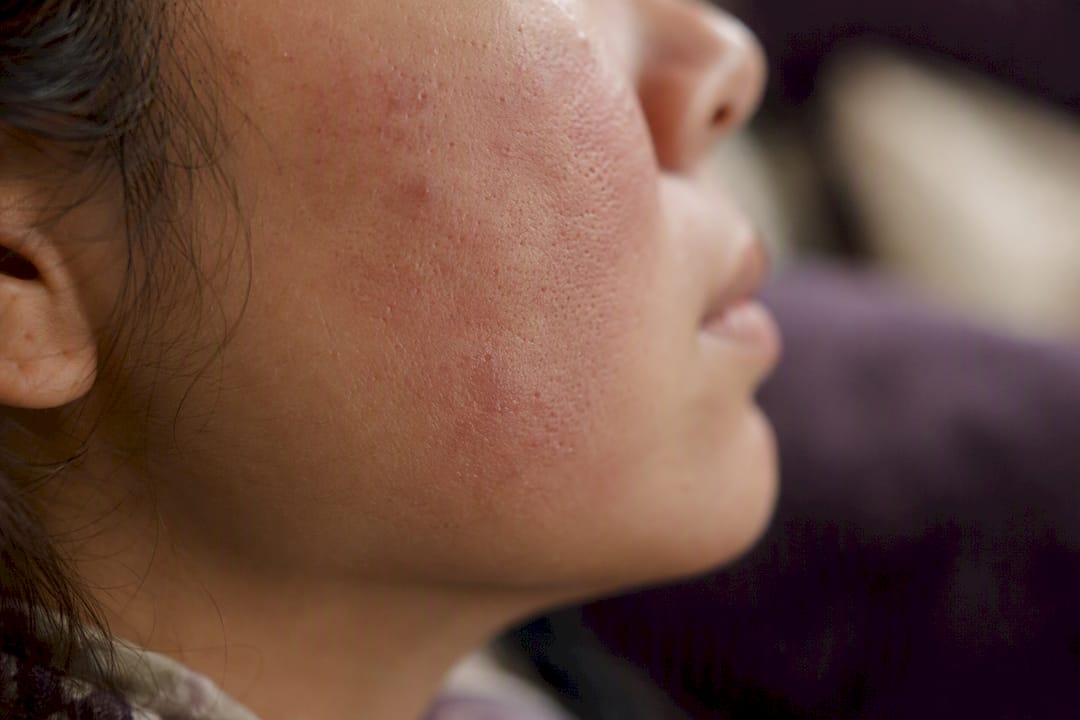
Pro Tip: If a new product causes redness or itching more than once, stop using it and see a dermatologist for patch testing before trying anything else in that category. Guessing which ingredient caused it wastes time your skin doesn't have.
What FDA and EPA Rules Actually Cover (And What They Don't)
The FDA's cosmetic labeling rules require companies to disclose ingredients and define what counts as "fragrance" on a label. What the FDA does not do is standardize marketing terms like "unscented" or "fragrance-free." Any brand can print either word on a bottle without meeting a fixed federal definition.
The EPA's Safer Choice program fills part of that gap with voluntary guidance, distinguishing the two terms clearly and recommending fragrance-free for people avoiding fragrance chemicals. But it's guidance, not law.
- Front-of-package claims are marketing language, not regulated definitions.
- The ingredient list is the only legally required disclosure you can actually rely on.
- Third-party seals add a layer of verification the label alone can't provide.
How to Spot Fragrance Hiding in an Ingredient List
Scent chemistry doesn't always announce itself. Here's what to scan for:
- The obvious terms: "fragrance," "parfum," "perfume," or "aroma" anywhere on the list signals added scent chemistry, even in small amounts.
- Essential oil names: Lavender oil, citrus peel extracts, and similar botanical names can function as fragrance even when marketed as "natural."
- Specific chemical markers: Linalool, limonene, and benzyl alcohol are common fragrance components that sometimes appear listed individually rather than folded into "fragrance."
- Brand transparency pages: Reputable companies often explain ingredient function on their own websites; if a company won't clarify why an ingredient is there, that's useful information too.
Pro Tip: Contact the manufacturer directly if an ingredient name is unfamiliar. A company confident in its formula will usually explain what a listed compound does and why it's there.
If you're already sensitized to fragrance, skip "unscented" products entirely rather than trying to decode borderline ingredient names under time pressure at a store shelf.
Certification Seals Worth Trusting
Two marks are worth learning to recognize. The National Eczema Association's Seal of Acceptance excludes fragrance materials from certified products, built specifically around what eczema-prone skin can tolerate. The EPA Safer Choice fact sheet offers separate guidance distinguishing fragrance-free from unscented for consumers trying to avoid fragrance exposure generally.
- A seal plus a full ingredient list beats a front-of-package claim standing alone.
- Neither seal replaces reading the ingredient list yourself, think of it as a head start, not a finish line.
- Products with the shortest, plainest ingredient lists tend to carry the lowest reaction risk overall.
Building a Safer Shopping Routine (And Testing New Products Right)
A workable checklist before you commit to a new product:
- Choose fragrance-free over unscented if you have any history of reactive or eczema-prone skin.
- Read the full ingredient list, watching for the fragrance aliases covered above.
- Favor a recognized seal, like the National Eczema Association mark, as a shortcut, not a substitute for step two.
- Prioritize simple, barrier-supporting formulas over long ingredient lists, since dermatology guidance consistently points to mild, minimal formulas as better for compromised skin.
- Patch test every new product on the inner forearm, apply a small amount, wait 48 to 72 hours, and watch for redness, itching, or bumps before using it anywhere else.
Pro Tip: If a patch test causes any reaction, wash the area immediately and skip that product entirely, don't try a "smaller amount" elsewhere on your face to see if it's tolerable.
If reactions keep happening despite careful label reading, formal allergy patch testing through a dermatologist can identify the specific compound responsible, rather than leaving you to eliminate products one at a time by trial and error.
Why Ingredient Simplicity Beats Marketing Labels
The gap between what a label promises and what a formula actually contains is where most reactive-skin frustration comes from. A short, honest ingredient list will tell you more about how a product behaves on your skin than any front-of-package word ever will, "unscented" included.
That's the same principle behind Theinfinitebath's three-step regimen: a gel cleanser, a lactic acid serum, and a renewal cream, built around gentle actives instead of long, hard-to-parse formulas. If you're evaluating any product against the checklist in this guide, start by pulling up its ingredient list and asking what each item is actually doing there.
— Joseph
A Fragrance-Aware Routine That Matches This Checklist
If you've made it this far, you already know the safest move is picking products built around transparency rather than a single word on the front label. Theinfinitebath's core lineup, the Gel Cleanser, Lactic Serum, and Renewal Cream, along with The Body Oil, is formulated around gentle actives with ingredient lists you can actually read and understand, not buried behind a generic "fragrance" entry.
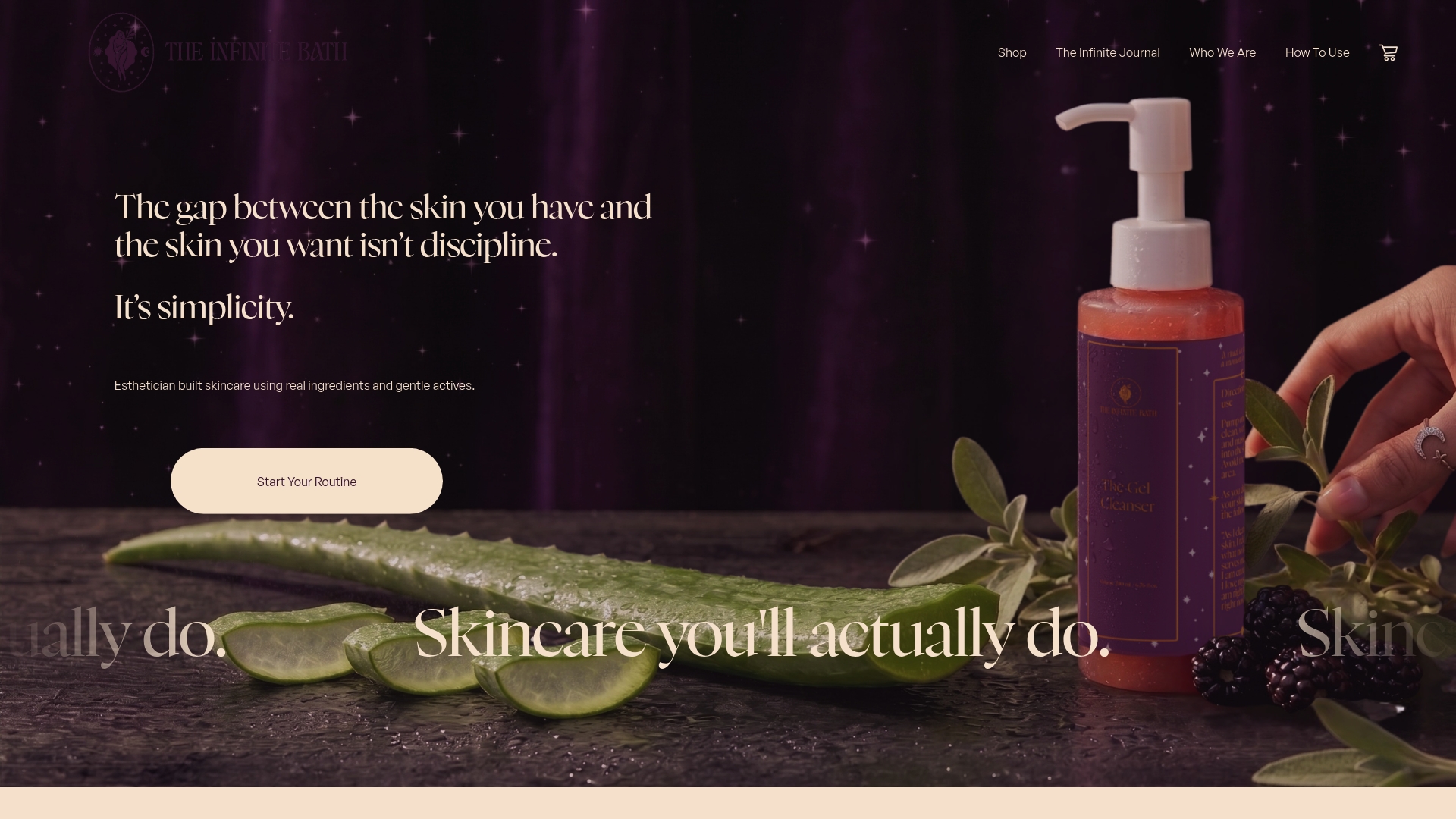
That approach lines up directly with the selection criteria covered above: full ingredient disclosure, minimal formulas, and no reliance on masking agents to fake a neutral scent. Some botanical ingredients, like those used in the brand's rosehip oil formulations, are included for function and may carry a faint natural aroma, exactly the incidental-scent scenario this guide explained earlier, not a hidden fragrance additive. Browse the skincare shop to see the full ingredient breakdown for each product before you add anything to your routine.
Sources
- EPA — Safer Choice: Fragrance-Free fact sheet
- American Academy of Dermatology — guidance on testing skin care products
- PubMed — review on fragrance allergy / contact dermatitis
- FDA — Cosmetics laws & regulations