For sensitive or dry skin, lactic acid is usually the smarter starting AHA. For deeper resurfacing and texture or sun-damage concerns, glycolic acid typically works faster, if your skin can tolerate it. Either way, daily broad-spectrum SPF isn't optional once you introduce an AHA. The quick comparison below breaks down exactly how to choose.
TL;DR:
- Glycolic acid penetrates faster and deeper, making it more effective for rapid texture improvement but potentially more irritating than lactic acid.
- Lactic acid enhances skin hydration by pulling water into the skin and can increase ceramide levels by nearly 48%, supporting barrier repair.
- Sensitive or barrier-compromised skin should start with lactic acid in concentrations of 5% to 12%, used two to three times weekly, before progressing.
- Combining both acids risks over-exfoliation; alternating nights or spacing out products is safer, especially when using retinoids or professional peels.
- Visible results generally appear after six to twelve weeks of consistent use, with red flags including prolonged redness, raw peeling, or darkening pigmentation.
Table of Contents
- Lactic Acid vs Glycolic Acid: The Quick Comparison
- How They Work: The Science Behind the Glow
- Which Skin Type Fits Which Acid?
- How to Introduce an Acid Without Wrecking Your Barrier
- Can You Combine Lactic and Glycolic Acid?
- What to Expect: Timeline and Warning Signs
- The Infinite Bath's Take: Why We Build Around Lactic Acid
- Behind the Serum: A Practical Option for Sensitive Skin
- Sources
Lactic Acid vs Glycolic Acid: The Quick Comparison
Think of these two acids as cousins from the same family of alpha hydroxy acids, but with very different personalities. Both dissolve the "glue" holding dead skin cells together on the surface. How fast and how deep they work is where they part ways.
Glycolic acid has the smallest molecule of the common AHAs, at roughly 76 Daltons, compared to lactic acid's approximately 90 Daltons. That size gap matters more than most product labels let on. Smaller molecules slip into the skin faster and reach deeper, which is why glycolic acid tends to deliver quicker, more visible resurfacing. Lactic acid moves in slower, which sounds like a downside until you realize that slower usually means calmer.
Here's how they stack up in practice:
- Penetration speed: Glycolic acid acts fast and deep; lactic acid acts more gradually and stays closer to the surface.
- Primary outcome: Glycolic acid is the stronger pick for texture, dullness, and photoaging; lactic acid leans into gentle exfoliation plus visible hydration.
- Humectant effect: Lactic acid pulls water into the skin as it works, so it exfoliates and hydrates at once. Glycolic acid does not carry that same moisture-binding property.
- Formulation style: Glycolic acid shows up often in leave-on serums and professional peels at higher strengths. Lactic acid appears across cleansers, lightweight serums, and creams, often buffered to be gentler.
- Who it usually suits: Glycolic acid fits someone with resilient, acid-experienced skin chasing texture or fine lines. Lactic acid fits someone with reactive, dry, or barrier-compromised skin who still wants exfoliation.
Neither one is the "better" acid in some absolute sense. They're tools built for different jobs, and the right one depends entirely on what your skin can handle right now, not what worked for your friend with a totally different skin type.
How They Work: The Science Behind the Glow
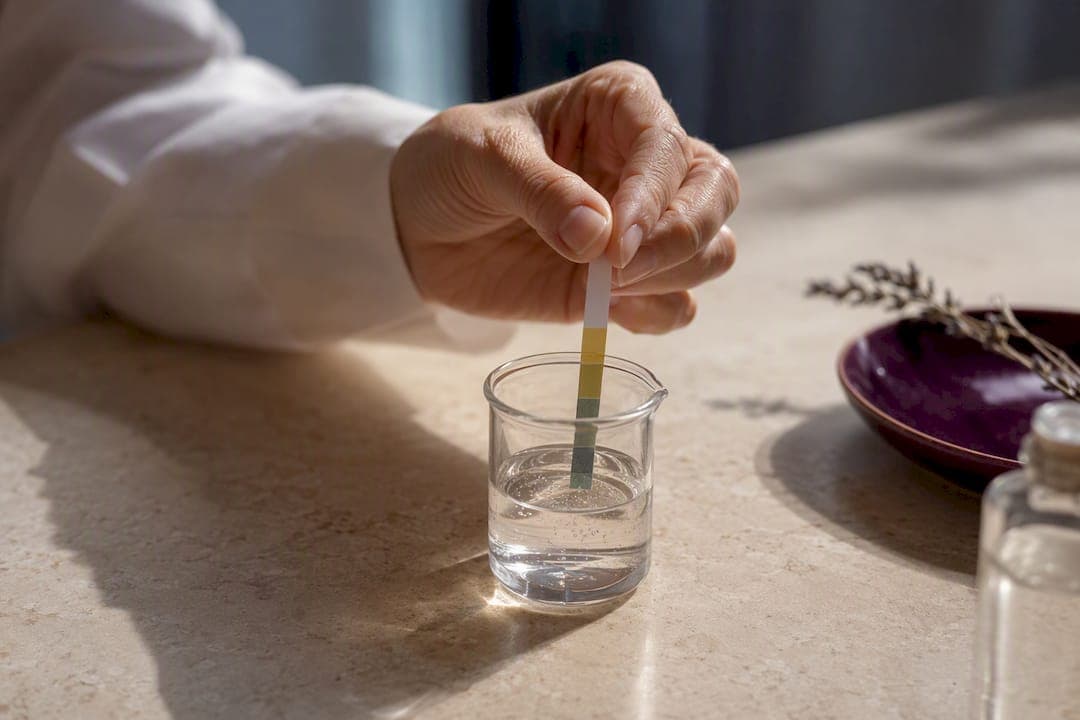
Molecular weight is only half the story. What actually determines how strong an AHA product performs on your face is a much less glamorous variable: pH.
Every AHA has a pKa, the pH point at which half its molecules are in "active" acid form and half are neutralized. Glycolic acid's pKa sits around 3.8, and the free-acid fraction, meaning the portion of the acid actually capable of exfoliating, shifts dramatically depending on how a formula is buffered.
A higher percentage on the label does not automatically mean a stronger product. The active, unbuffered portion of the acid, governed by its pH, determines real-world potency far more than the number printed on the bottle.
That's the single most misunderstood fact in AHA shopping. People compare percentages like they're comparing SPF numbers, when the pH tells the more honest story.
By the numbers: In one comparative clinical study, L-lactic acid matched glycolic acid's improvements in hydration and fine lines, while generating fewer irritation complaints among participants. The same research found L-lactic acid increased stratum corneum ceramide levels by roughly 48%, meaning it didn't just exfoliate. It appeared to support the skin's own barrier lipids while doing it.
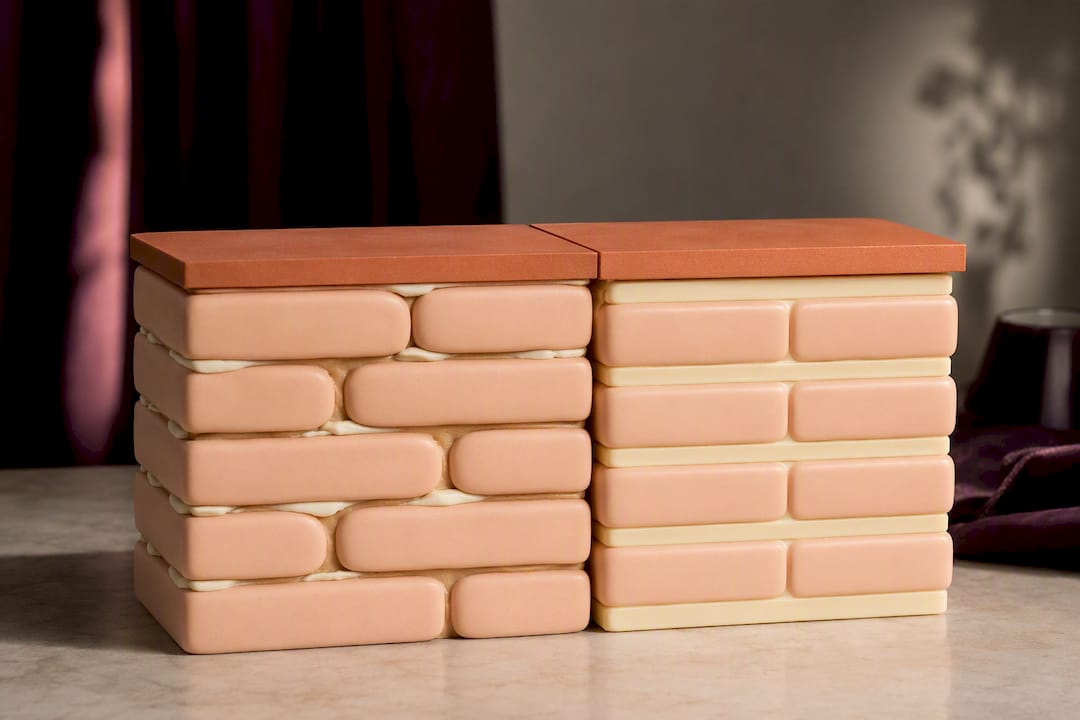
That barrier detail is worth sitting with. Ceramides are part of what dermatologists call the skin's "brick and mortar" structure: skin cells act as the bricks, and lipids like ceramides are the mortar holding everything watertight. Most exfoliating acids chip away at that mortar a little as they work. Lactic acid appears to rebuild some of it in the same breath.
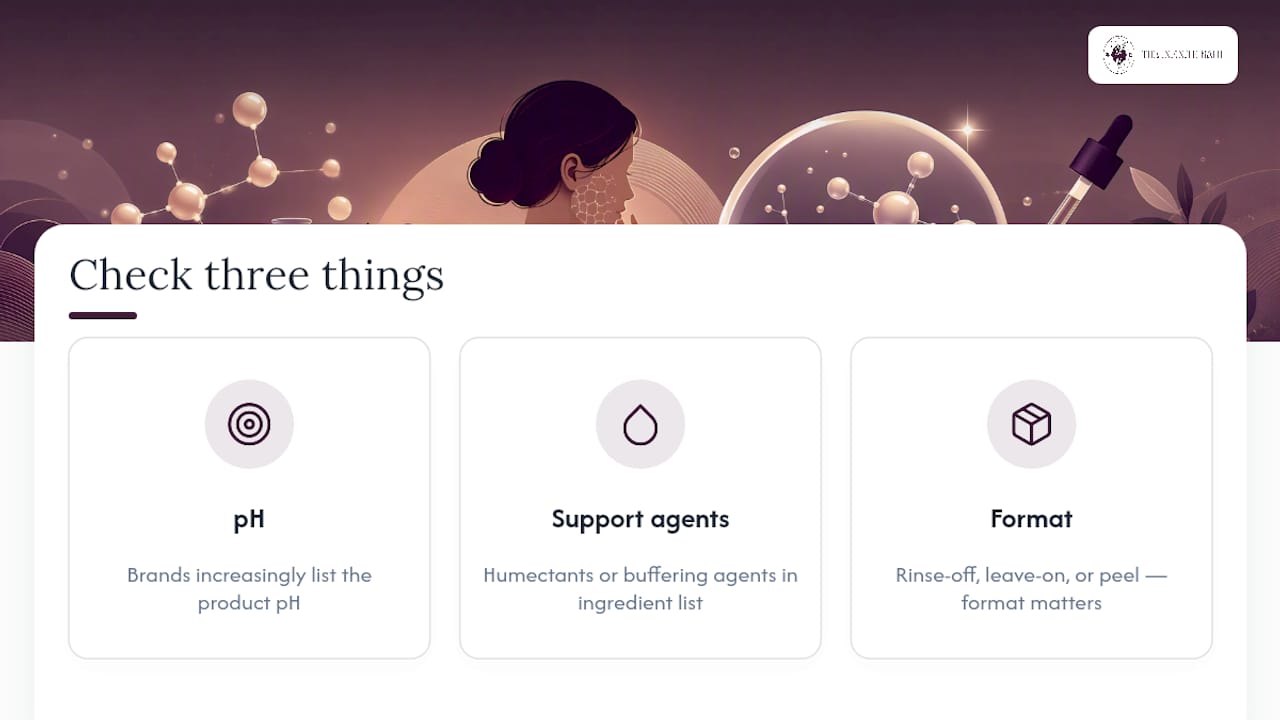
When you're evaluating a product, skip the marketing percentage and check three things instead: the product's pH (brands increasingly list this), whether humectants or buffering agents appear in the ingredient list, and whether it's a rinse-off, leave-on, or peel format. Those three details tell you more than the headline number ever will.
Which Skin Type Fits Which Acid?
Matching the acid to your skin isn't guesswork once you know your starting concerns. Here's a practical way to sort it out:
- Texture, dullness, or early photoaging: Glycolic acid usually wins here. Its smaller molecular size and collagen-stimulating effect make it the better long-game choice for smoothing and brightening resilient skin.
- Dryness, sensitivity, or a compromised barrier: Lactic acid is the safer entry point. Its humectant pull keeps skin hydrated while it exfoliates, which is a rare combination among acids.
- Melanin-rich skin prone to post-inflammatory hyperpigmentation: Start gentler than you think you need to. Lactic acid at a lower concentration, titrated slowly, reduces the risk of triggering dark spots that can outlast the original concern.
- Skin already using retinoids or other acids: Layering AHAs on top of an active retinoid routine raises irritation risk substantially. Reduce frequency of whichever you add second, and watch for tightness or flaking before increasing either.
- First-time AHA users of any skin type: Begin with lactic acid regardless of your end goal. It's the more forgiving on-ramp, and you can graduate to glycolic acid later if your skin proves it can tolerate more.
For sensitive-tier skin, a reasonable starting point is a lactic acid concentration in the 5% to 12% range, used two to three times weekly. Normal or resilient skin can often handle glycolic acid at similar frequency once acclimated, working upward from there.
Pro Tip: If you've never used an exfoliating acid before, resist the urge to start with whichever one your favorite influencer is using. Start with the gentlest version of either acid, and let your skin's actual response, not your goals, set the pace.
How to Introduce an Acid Without Wrecking Your Barrier
Rushing an acid routine is the single most common mistake I see, and it's an entirely avoidable one. Your skin doesn't know the difference between "I'm excited about my new serum" and "I'm being attacked," so a slow ramp-up protects you from both irritation and disappointment.
Start with a patch test: apply a small amount to your inner forearm or behind your ear, wait 24 hours, and check for redness or stinging before it ever touches your face.
From there:
- Begin at 1 to 2 nights per week, regardless of which acid you choose.
- Watch for two weeks before adding a third night, and never increase frequency and concentration at the same time.
- Rinse-off formats, like cleansers, are inherently gentler because contact time is short. Leave-on serums and wash-off peels carry more strength and deserve more caution.
- If you're moving from lactic to glycolic acid, treat it as starting over. Do not assume tolerance transfers between the two.
- Apply a fragrance-free moisturizer with ceramides or glycerin immediately after to reinforce the barrier while it's temporarily more permeable.
Sunscreen is not a suggestion here. AHAs increase how easily UV light can damage freshly exposed skin cells, and clinical guidance consistently pairs any acid exfoliation with daily broad-spectrum SPF, rain or shine, indoors-heavy schedule or not.
Pro Tip: Keep your acid nights and your SPF mornings non-negotiable for at least six weeks before judging whether a product is "working." Skin turnover takes time, and switching acids every ten days resets your progress every time.
Can You Combine Lactic and Glycolic Acid?
You can use both, but not carelessly. Over-exfoliation is the real risk, and it shows up as persistent redness, a tight or stinging sensation after cleansing, and a shiny or "raw" look that wasn't there a month ago. If you notice any of that, stop all acids for several days and lean on barrier repair instead.
Safer combination patterns include:
- Alternating nights, lactic acid one evening and glycolic acid the next, rather than layering both at once.
- Choosing a low-dose multi-acid formula that's already balanced by a chemist, instead of DIY-stacking two separate products.
- Reserving glycolic acid for targeted areas, like rough elbows or textured cheeks, while using lactic acid everywhere else.
If you're also using a retinoid, vitamin C, or benzoyl peroxide, space them out rather than stacking on the same night. Alternate nights or apply at different times of day. Anyone getting professional peels should pause at-home acids for several days before and after the appointment, since combining the two multiplies irritation risk rather than results.
What to Expect: Timeline and Warning Signs
Visible smoothing and brightening from either acid typically shows up over six to twelve weeks of consistent use, not overnight. Consistency beats intensity here.
Normal reactions during the adjustment period include mild tingling, slight pink tone right after application, and occasional light flaking. These should fade as your skin adjusts, generally within the first couple of weeks.
Red flags that warrant a dermatologist visit include:
- Peeling that looks raw or weeping rather than flaky.
- Redness that lasts more than a day or worsens with each use.
- New or darkening pigmentation, particularly on melanin-rich skin.
Keep ceramides, glycerin, and hyaluronic acid in your rotation throughout, alongside daily SPF. Clinical data shows lactic acid can raise ceramide levels by close to 48% with consistent use, which is a meaningful head start on barrier recovery most people don't get from glycolic acid alone.
The Infinite Bath's Take: Why We Build Around Lactic Acid
We built The Infinite Bath around lactic acid on purpose, not by default. When I think about the readers who come to us overwhelmed by ten-step routines and acid percentages they can't decode, the honest answer isn't "go stronger." It's "go steadier."
Our lactic serum sits in the middle step of a three-part routine, right between a gel cleanser and a renewal cream, because sequencing matters as much as the ingredient itself. Lactic acid's humectant pull means it's doing double duty: exfoliating dead skin while pulling moisture in, instead of leaving skin stripped the way harsher acids can. For anyone managing sensitive skin, uneven tone, or a barrier that's already had a rough year, that combination is hard to beat.
We're not against glycolic acid. It has a real place for skin that tolerates it well. But we designed this brand for the person who wants visible texture and tone improvement without gambling on irritation, and that person is almost always better served starting gentle.
— Stella
Behind the Serum: A Practical Option for Sensitive Skin
If everything above pointed you toward lactic acid, The Infinite Bath's lactic serum was built for exactly that reader. It's formulated to exfoliate gently while pulling moisture into the skin, so it fits right into step two of a simple routine, applied after cleansing and before your moisturizer.
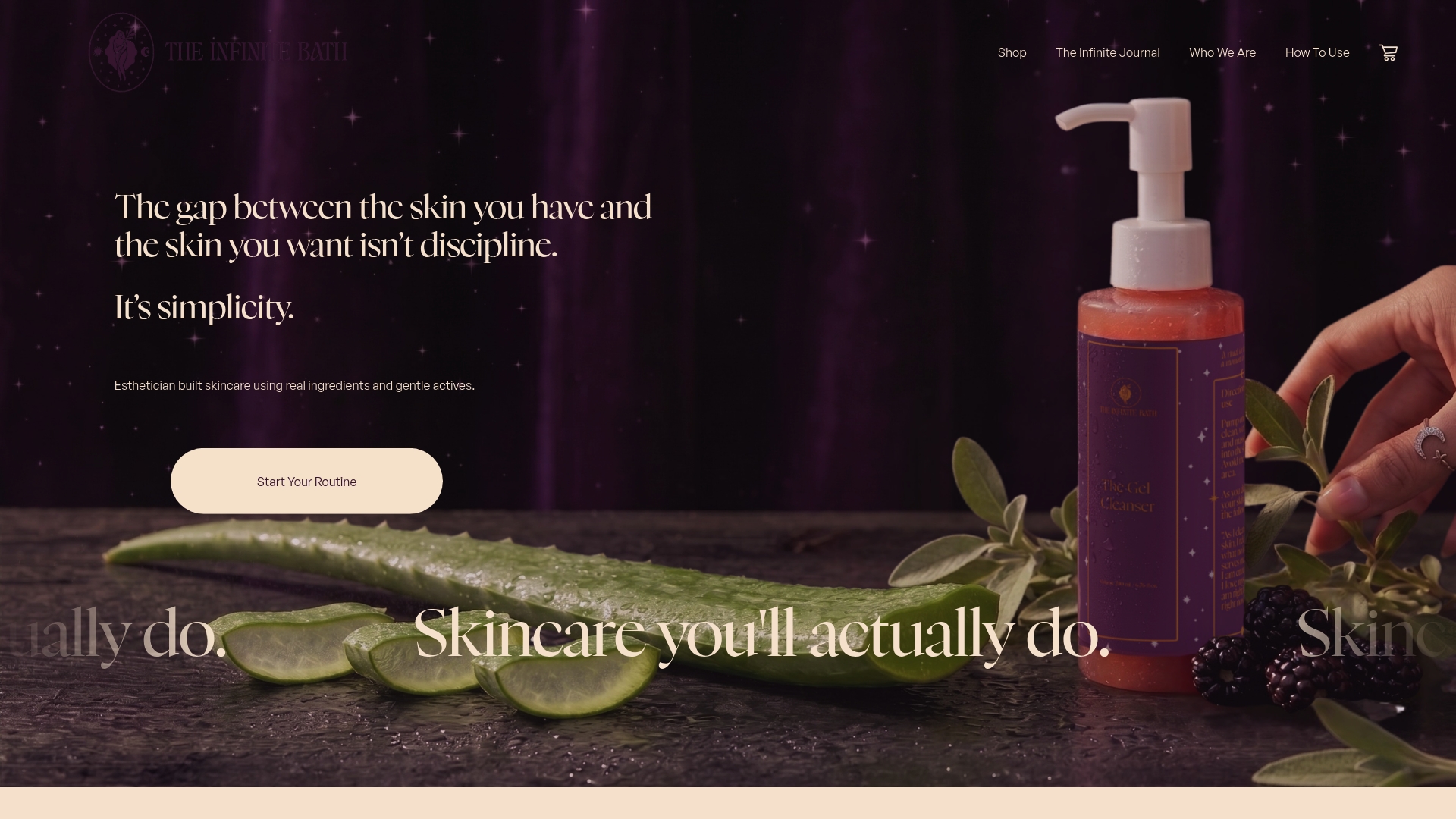
Start two to three nights a week, the same conservative ramp-up covered earlier, and give your skin a few weeks before judging results. If you want to build out the rest of the routine around it, the full skin care collection has the cleanser and renewal cream designed to work alongside it, plus SPF-friendly options to pair with your new nighttime acid step. No guesswork, no ten-step routine. Just a serum, a plan, and skin that gets to calm down while it improves.
Sources
- Comparative effectiveness of α‐hydroxy acids on skin properties
- Review articles on AHAs and skin effects (PMC review)
- Formulation and clinical considerations for chemical exfoliants (PMC article)