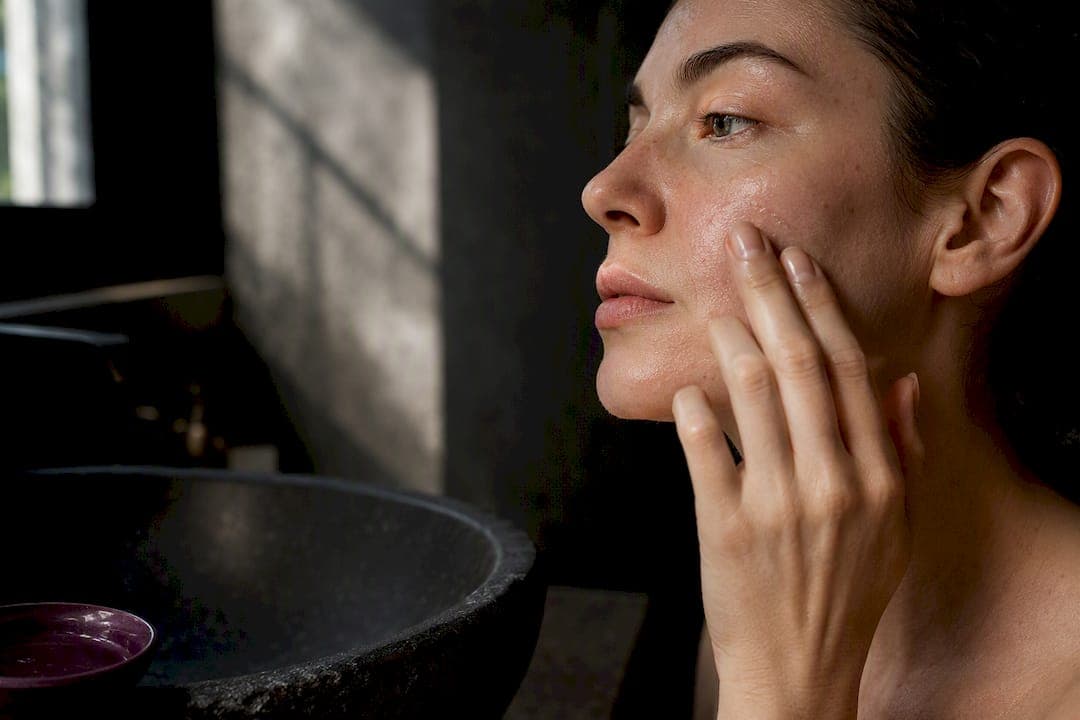
Yes, barrier repair creams strengthen the skin's outer layer, and the evidence behind that claim is solid. They work by replenishing structural lipids, ceramides, cholesterol, and fatty acids, which lowers water loss through the skin and calms irritation over a few weeks of consistent use. Clinical trials back measurable improvements in hydration and barrier function, not just marketing language.
TL;DR:
- Barrier repair creams containing ultra-long chain ceramides (C24 to C30) significantly improve hydration and barrier recovery compared to shorter-chain versions.
- A balanced mix of physiologic lipids, including ceramides, cholesterol, and fatty acids in a 3 to 1 to 1 ratio, is essential for effective skin barrier rebuilding.
- Consistent daily application over four to eight weeks is necessary to see measurable improvements in hydration and skin barrier function, especially in eczema or sensitive skin.
- Avoid using harsh actives, fragrances, or incompatible products during repair to prevent undoing progress and aggravating skin irritation.
- Proper application technique, including gentle cleansing, layering on damp skin, and patting in, maximizes barrier repair results.
Table of Contents
- What barrier repair cream actually does to your skin
- The ingredients that actually drive barrier repair
- What the clinical research actually shows
- Who actually needs a barrier repair cream
- How to apply barrier repair cream for the best results
- How to choose the right barrier repair cream
- Mistakes that undo barrier repair progress
- How The Infinite Bath's three-step regimen fits this approach
- What matters most if your skin is struggling
- A simple next step if you want to try this approach
- Sources
- FAQ
What barrier repair cream actually does to your skin
Think of your skin's outermost layer, the stratum corneum, as a brick wall. The skin cells are the bricks, and the lipids between them, ceramides, cholesterol, and fatty acids, are the mortar holding everything together. When that mortar breaks down from over-exfoliation, harsh weather, or aggressive actives, water escapes faster than it should. Dermatologists call this transepidermal water loss, or TEWL, and it is the technical marker of a barrier that is not doing its job.
A barrier repair cream is formulated to rebuild that mortar rather than just sit on top of it. This is the real difference between a repair cream and a standard moisturizer. A basic lotion might feel nice going on, but if it lacks physiologic lipids in the right ratio, it is mostly providing surface hydration and a temporary seal. A true barrier repair formula supplies the same lipids your skin already makes, so they integrate into the existing structure instead of just coating it.
This also sets barrier repair creams apart from occupational barrier creams, the kind used in industrial settings to shield hands from solvents or friction. Those products vary widely in formulation, and their job is protection from an external irritant rather than structural repair, as reviews of occupational barrier cream effectiveness note. The creams we are talking about here are doing something different: restoring what your skin has lost.
The practical distinctions worth remembering:
- Repair creams rebuild the lipid matrix from within, not just on the surface.
- Standard moisturizers often hydrate temporarily without correcting the underlying lipid deficit.
- Occupational barrier creams are designed to block outside irritants, not repair skin structure.
- All three can overlap, but only formulas with physiologic lipids address the root cause of a compromised barrier.
The ingredients that actually drive barrier repair
Not every cream labeled "barrier repair" delivers on the promise, so it helps to know what you are looking for on the ingredient list.
Ceramides do the heaviest lifting, but not all ceramides are equal. A study using LC-MS/MS analysis in human skin found that formulations with ultra-long chain ceramides, specifically C24 to C30, produced significantly stronger barrier recovery, better hydration, and improved cohesion in the stratum corneum compared with shorter-chain versions. That is a meaningful detail, because a lot of products list "ceramides" without specifying chain length, and the molecule's size affects how well it slots into your skin's existing structure. Pseudoceramides, which are synthetic lipids designed to mimic natural ceramide function, offer a gentler and often more affordable alternative, and a prospective trial in atopic dermatitis patients found a pseudoceramide moisturizer improved stratum corneum hydration and quality-of-life scores after four weeks of twice-daily use.
Ceramides do not work alone. Cholesterol and fatty acids round out what is sometimes called the physiologic lipid mix, often cited in roughly a 3 to 1 to 1 ratio of ceramides, cholesterol, and fatty acids. Skip one and the mortar is incomplete, no matter how much of the others you pile on.
Ultra-long chain ceramides (C24 to C30) showed superior functional outcomes for barrier recovery and hydration compared with shorter-chain formulations, according to the mechanistic study on ceramide acyl chain length. That single detail is worth remembering the next time you scan an ingredient panel.
Beyond lipids, two supporting categories matter:
- Humectants like glycerin and hyaluronic acid pull water into the skin and prep it to accept the lipids that follow.
- Occlusives like petrolatum, squalane, and dimethicone seal that hydration in, and barrier cream guidance from DermNet notes both petrolatum and dimethicone reduce TEWL effectively, with dimethicone often preferred for its lighter feel.
For sensitive or already compromised skin, watch for what should not be there: added fragrance, drying alcohols high on the list, and heavy botanical extracts that sound soothing but can trigger reactions. The AAD's guidance on choosing a moisturizer is direct on this point: natural does not mean hypoallergenic, and a shorter ingredient list generally means less risk for skin that is already struggling.
What the clinical research actually shows
It is one thing to explain the mechanism, and another to show it holds up in real trials. The research here is more consistent than a lot of skincare marketing would suggest.
A randomized trial testing a ceramide-dominant cream and cleanser in adults with moderate eczema found meaningful improvements in TEWL and skin hydration compared with placebo over 28 days, along with better patient-reported satisfaction on itch and dryness. That timeline matters: this was not an overnight fix, it took roughly four weeks of daily use to show up in the data.
Separately, the pseudoceramide trial mentioned earlier followed patients with mild-to-moderate atopic dermatitis for four weeks and recorded a significant rise in stratum corneum hydration alongside improved Dermatology Life Quality Index scores. Two different studies, two different formulations, landing on a similar window of roughly two to eight weeks before results become measurable.

The mechanistic work on ceramide chain length adds a layer of explanation for why some formulas outperform others even when both list "ceramides" on the label. Longer chains integrate more effectively into the existing lipid structure, which likely explains part of the variability between products that otherwise look similar on paper.
A few things worth keeping in mind about this body of research:
- Trial durations mostly cluster in the 2 to 8 week range, and outcomes are typically measured through TEWL, stratum corneum hydration, and validated eczema severity scores like SCORAD or EASI.
- Formulations vary substantially between studies, so a result from one ceramide-dominant cream does not automatically transfer to a different product with a different lipid ratio.
- Study populations skew toward eczema and atopic dermatitis, meaning results for general sensitive or dry skin are often extrapolated rather than directly tested.
Stratum corneum hydration increased significantly after four weeks of twice-daily use in a pseudoceramide trial, per the PMC-published study, alongside measurable quality-of-life gains. That is a fair benchmark for what a well-formulated barrier repair cream can realistically deliver, and a reason to commit to a product for at least a month before judging it.
The honest caveat is that this research field is still somewhat fragmented. Different studies use different lipid ratios, different vehicle formulations, and different measurement windows, which makes head-to-head comparisons between brands difficult. What holds steady across the literature is the underlying principle: physiologic lipids, applied consistently, measurably improve barrier function.
Who actually needs a barrier repair cream
Not everyone needs to reach for a dedicated barrier repair formula, but a few groups benefit clearly.
- People managing atopic dermatitis often use these creams as daily maintenance therapy between flares, not just during active eczema.
- Anyone with chronically dry or reactive skin tends to see steadier comfort with a lipid-replenishing formula than with a standard lotion.
- Skin recovering from exfoliating acids or retinoids benefits from a barrier cream that rebuilds what those actives temporarily strip away.
- Occupational dry hands, from frequent washing or solvent exposure, respond well to consistent barrier cream use, though effectiveness varies by formulation and exposure type.
There are situations where a jar of cream is not the answer. Skin that is weeping, showing signs of infection, or cracked to the point of bleeding needs a clinician's evaluation before any at-home regimen, barrier repair included. For readers exploring stronger, prescription-level options, a dermatology provider like Vivo can assess whether a medical-grade topical is appropriate.
For most people, daily use fits naturally into a morning and evening routine. If your barrier feels acutely compromised, red, tight, stinging, you can lean on a barrier repair cream more heavily for a short rescue period, then settle back into a maintenance rhythm once things calm down.
How to apply barrier repair cream for the best results
Technique matters almost as much as the formula itself. Here is the order that gets the most out of a barrier repair cream:
- Cleanse gently. Skip hot water and harsh sulfates, especially if your barrier already feels compromised.
- Apply treatment actives, if you are using any, while keeping the layer thin and giving the skin a moment to absorb them.
- Layer a humectant or serum onto damp skin. This step traps water at the surface before your barrier cream locks it in.
- Finish with the barrier repair cream itself, patting it in rather than rubbing, so the lipids settle without disrupting what is underneath.
In the morning, follow with sunscreen, since a repaired barrier is still vulnerable to UV stress. At night, this is often where you can skip actives altogether if your skin needs a break.
Before introducing any new product, patch test on your inner arm, then your jawline, over 7 to 10 days, watching for redness, itching, or breakouts before applying it broadly. If irritation shows up, stop and reassess rather than pushing through.

Pro Tip: Apply your barrier repair cream to skin that is still slightly damp from cleansing or a humectant serum, and hold off on stacking multiple active ingredients until your barrier has had a few weeks to recover.
Reapplication frequency depends on your skin and climate, but twice daily is a reasonable default, and the AAD's consumer guidance generally supports that cadence for dry or sensitive skin types.
How to choose the right barrier repair cream
With so many products claiming to "repair" or "restore," a simple checklist cuts through the noise.
- Look for physiologic lipids together, ceramides, cholesterol, and fatty acids, rather than a single ingredient doing all the marketing work.
- Choose fragrance-free formulas. The AAD specifically flags fragrance as a common irritant for sensitive or compromised skin, and the difference between unscented and fragrance-free is worth understanding before you buy.
- Confirm it is non-comedogenic if you are acne-prone, since some occlusives can clog pores on oilier skin types.
- Favor a shorter ingredient list when your skin is actively compromised, fewer potential triggers means fewer surprises.
Texture matters too. A lighter cream tends to suit the face and other thin-skinned areas, while a thicker ointment is often better suited to elbows, heels, or hands that need heavier-duty protection.
| Selection factor | What to look for |
|---|---|
| Lipid content | Ceramides, cholesterol, and fatty acids listed together |
| Fragrance | Fragrance-free, not just "unscented" |
| Comedogenicity | Non-comedogenic label if acne-prone |
| Texture | Cream for face, ointment for very dry body areas |
If you have tried consistent, well-formulated over-the-counter options for several weeks without improvement, or your skin shows signs of infection, that is the point to talk with a dermatologist about prescription-strength or medical-grade formulations.
Mistakes that undo barrier repair progress
Even a good product can underperform if the habits around it work against it.
- Continuing harsh actives during active repair. Retinoids and strong acids are worth pausing until your barrier stabilizes.
- Reaching for fragranced or botanical-heavy products because they feel "natural," when they may be the very thing keeping irritation going.
- Over-applying or stacking incompatible products, which can overwhelm compromised skin rather than help it.
- Ignoring signs of allergic contact dermatitis, like new redness or itching after switching products, instead of stopping and reassessing.
If your skin is genuinely struggling, the simplest fix is often the best one: strip the routine down to a gentle cleanser and a barrier repair cream, patch test anything new, and give it a few weeks before adding complexity back in. For skin under dressings or exposed to continence products, check with a clinician about ingredient compatibility, since some occlusives interact differently under prolonged coverage.
How The Infinite Bath's three-step regimen fits this approach
The Infinite Bath's regimen follows the same logic laid out above, in three steps: a gel cleanser, a lactic serum, and the Renewal Cream. The cleanser removes buildup without stripping lipids, the lactic serum gently supports exfoliation and brightening, and the Renewal Cream is applied last to hold onto hydration while skin renews itself.
The Renewal Cream is built around gentle, hydrating actives designed to support the skin during and after exfoliation, which mirrors the humectant-and-occlusive pairing the research points toward, without positioning it as a medical treatment. For a simple sensitive-skin routine, this three-step structure removes the guesswork of layering separate humectants, actives, and repair creams from different brands. It suits busy schedules, skin recovering from exfoliation, and anyone who wants fewer products doing more consistent work.
What matters most if your skin is struggling
If you take one thing from all of this, let it be that your skin barrier is not fragile, it is resilient, and it responds to consistency far more than intensity. Three things matter most: prioritize a cream with physiologic lipids alongside a humectant and occlusive, simplify your routine while repair is underway, and expect weeks of change rather than days.
Patch test before committing to anything new, then give one product four to eight weeks before deciding whether it is working. If your skin has not improved, or symptoms are severe, a dermatologist can offer options beyond what any over-the-counter cream provides. And whatever else you do or skip, wear sunscreen daily. A recovering barrier deserves protection, not another stressor.
— Stella
A simple next step if you want to try this approach
If you would rather not piece together separate products from different brands, The Infinite Bath's Renewal Cream is built with the same hydration-first, gentle-actives approach outlined here, and it comes as part of the brand's three-step regimen alongside the Lactic Serum. It is presented here as the brand's own product, not a clinical treatment, so the same patch-testing advice applies before you add it to your routine.

- The gel cleanser preps skin without disrupting existing lipids.
- The lactic serum supports gentle renewal and brightening.
- The Renewal Cream focuses on hydration and comfort as your final step.
You can explore the full Lustral Flood Collection or browse the skincare shop directly to see how the pieces fit together for your own routine.
This article is general information, not a substitute for advice from a qualified doctor. Consult a qualified healthcare professional about your own circumstances before acting on anything here.
Sources
- Impact of Ceramide Acyl Chain Length on Human Skin Barrier Recovery and Hydration — PMC
- How to pick the right moisturizer for your skin — American Academy of Dermatology (AAD)
FAQ
What does a barrier repair cream do?
A barrier repair cream replenishes the lipids, ceramides, cholesterol, and fatty acids, that hold your skin's outer layer together, which reduces water loss and calms irritation. Clinical trials link this approach to measurable improvements in TEWL and skin hydration within about four weeks of daily use.
Do barrier repair creams actually work?
Yes, when the formula contains a balanced mix of physiologic lipids rather than a single ingredient. Trials on both ceramide-dominant and pseudoceramide formulas show real gains in hydration and barrier function, particularly for eczema-prone skin.
Can I use barrier repair cream every day?
Yes, daily use, often twice a day, is the standard approach recommended in dermatology guidance for dry or sensitive skin. Most clinical improvements were measured after weeks of consistent daily application, not occasional use.
What is the main issue when using barrier cream?
The most common issue is undermining the cream's work by continuing harsh actives or fragranced products while the barrier is still repairing itself. Choosing fragrance-free, non-comedogenic formulas and simplifying the rest of your routine gives the lipid-replenishing ingredients a better chance to work.