
Winter skincare comes down to three moves done consistently: a gentle, non-stripping cleanse, a humectant serum applied while skin is still damp, and a richer moisturizer or occlusive layered on top. Keep your daily SPF, run a humidifier at night, and pull back on retinoids and exfoliating acids. Two habits fix most winter dryness fast: shorter, cooler showers and moisturizing within minutes of washing.
TL;DR:
- Using a gentle, non-foaming cleanser and applying a humectant serum on damp skin significantly improves hydration during winter.
- Pairing humectants with occlusives like petrolatum provides the most effective protection against water loss from dry indoor air and cold outdoor temperatures.
- Reducing retinoid and acid use to fewer nights per week, with buffering layers, minimizes irritation caused by a compromised skin barrier.
- Shorter, warmer showers and immediate application of moisturizer while skin is slightly damp help prevent further barrier damage and dryness.
- A simple, three-step routine—cleanse, hydrate, and seal—remains the most reliable strategy for maintaining healthy skin in cold, dry weather.
Table of Contents
- Building Your Winter Skincare Routine Step by Step
- What Ingredients Actually Do (And How to Layer Them)
- Should You Adjust Retinoids and Acids in Winter?
- The Shower and Humidity Habits Most People Get Wrong
- Don't Forget Your Hands, Lips, and Body
- Common Winter Skincare Mistakes That Make Dryness Worse
- Why a Simple Three-Step Routine Fits the Winter Playbook
- An Editorial Take on Winter Skincare Overcomplication
- Get the Winter Routine Without the Guesswork
- Sources
- FAQ
Building Your Winter Skincare Routine Step by Step
Think of your skin barrier as a brick wall. The skin cells are the bricks, and lipids like ceramides are the mortar holding them together. Cold air and indoor heat both erode that mortar, which is why the same cleanser that felt fine in July can leave your face tight and flaky in January. A winter face routine has to rebuild what the season strips away, and the order you apply products in matters almost as much as which products you choose.
Here's the sequence dermatologists tend to recommend for mornings and evenings:
- Rinse or cleanse gently. In the morning, plain water or a splash with a creamy, non-foaming cleanser is often enough. Foaming cleansers with sulfates strip the very lipids you're trying to protect.
- Apply a humectant serum to damp skin. Hyaluronic acid or a glycerin-based serum works best when it has water to grab onto, so pat it on right after rinsing, before your skin fully dries.
- Seal with a moisturizer. Choose a cream, not a lotion. Lotions are mostly water and evaporate quickly; creams carry more oil and sit longer on the surface.
- Finish with broad-spectrum SPF. Snow reflects UV light, and UVA exposure stays significant year-round, so skipping sunscreen in December undoes months of barrier repair.
At night, remove sunscreen and makeup first, cleanse again, apply any treatment product at a reduced frequency (more on that below), then layer a heavier cream. If your skin is cracking or flaking badly, finish with a thin layer of an occlusive like petroleum jelly over the moisturizer to lock everything in.
If mornings are chaotic, a two-minute version still works: cleanser, one hydrating cream with SPF mixed in, done. For sensitive skin, swap any acid-based serum for a plain hyaluronic acid formula and patch-test new products on your jaw before committing your whole face. Body care follows the same logic. Whatever cream you use on your face, your arms and legs need a version of it too, just applied less delicately.
What Ingredients Actually Do (And How to Layer Them)
Skincare gets confusing because most labels don't tell you what category an ingredient falls into. Once you understand three roles, the guesswork mostly disappears.
- Humectants (glycerin, hyaluronic acid) pull water into the skin's outer layer. A combination of glycerin and hyaluronic acid measurably increased hydration and reduced water loss for up to 24 hours in controlled research. They work best applied to damp skin, because they need moisture nearby to draw in.
- Emollients (squalane, shea butter) fill the gaps between skin cells, smoothing texture and softening rough patches. Think of them as spackle for cracks in that brick wall.
- Occlusives (petrolatum, lanolin, some plant waxes) form a physical layer on top of everything, slowing the water underneath from escaping into dry winter air. They're the paint that seals the wall once the mortar and spackle are in place.
Shopping smart in winter means looking for ceramides, fragrance-free labeling, and avoiding high concentrations of drying alcohols like denatured alcohol near the top of an ingredient list. Humectants and occlusives paired together consistently outperform either one alone for reducing dryness and transepidermal water loss. Layering order matters as much as the products themselves; a step-by-step layering guide can help you avoid the common mistake of applying oil-based products before water-based ones, which blocks absorption entirely.
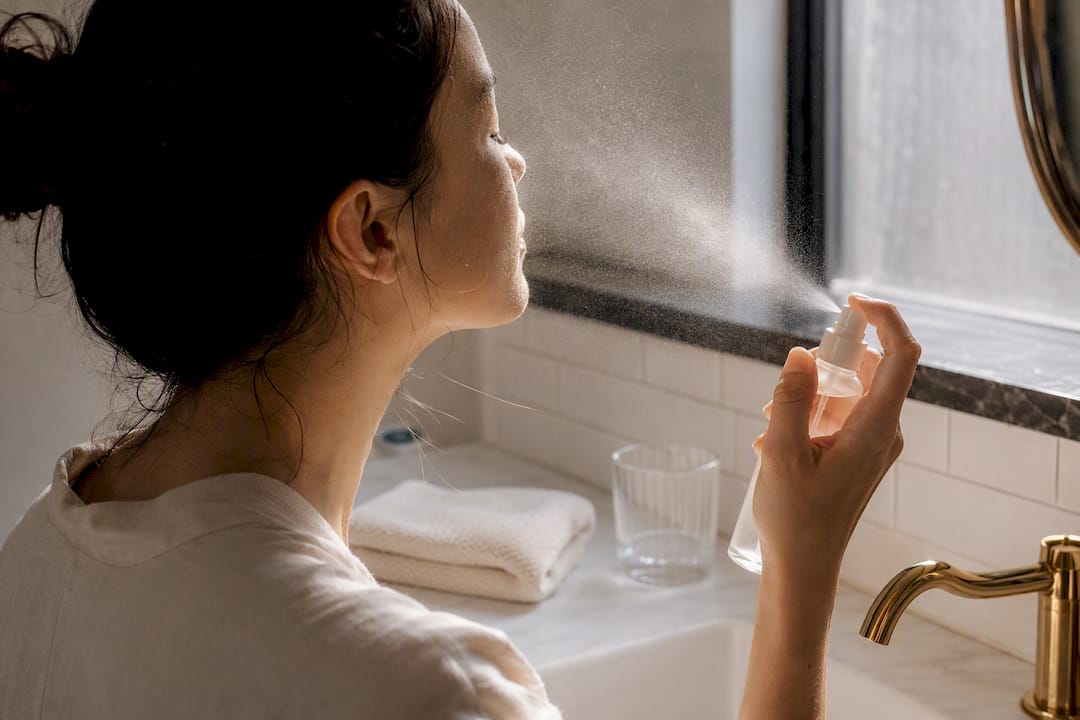
Pro Tip: Mist your face with water or a hydrating toner before applying serum. A humectant on bone-dry skin can actually pull moisture out of deeper layers instead of adding it, which backfires in low-humidity months.
Should You Adjust Retinoids and Acids in Winter?
Yes. A compromised barrier absorbs actives faster and buffers them less, which is exactly why the same 0.3% retinoid that felt fine in August can sting and flake your skin in January.
- Reduce frequency, not necessarily strength. A nightly retinoid can often drop to two or three nights a week during peak cold-and-dry months.
- Use the moisturizer sandwich. Apply a thin layer of cream, then your active, then another layer of cream. This buffers the active without canceling it out.
- Swap to gentler acids. Mandelic acid is larger-molecule and slower to penetrate than glycolic acid, making it a reasonable winter substitute for people who still want mild exfoliation. Dermatologists broadly recommend gentler textures and lower frequency for actives in winter.
- Pause entirely if you see persistent redness, stinging, or flaking that lasts more than a few days. That's your skin asking for a break, not a stronger product.
The Shower and Humidity Habits Most People Get Wrong
Long, hot showers feel great in December and do real damage to your skin barrier. Heat strips the same lipids that keep water locked in, which is part of why your skin feels tighter the moment you step out.
- Keep showers and baths to 5 to 10 minutes with warm, not hot, water.
- Apply a fragrance-free moisturizer within a few minutes of drying off, while skin is still slightly damp, to trap the water already on the surface.
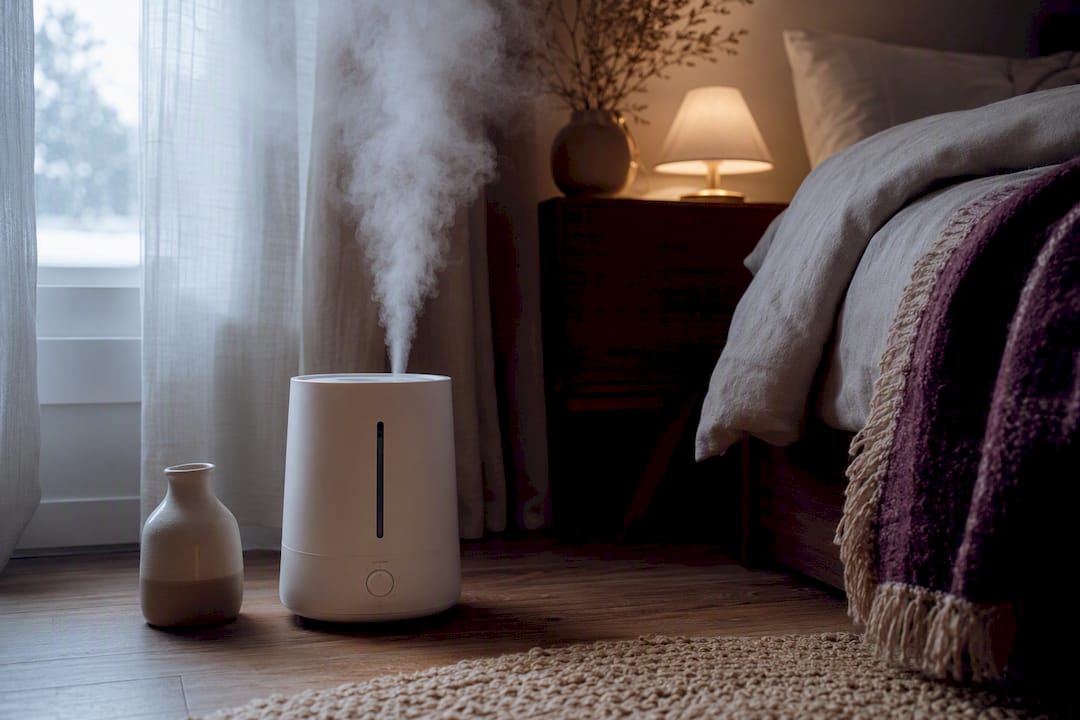
- Run a humidifier overnight, aiming for indoor humidity around 40 to 60 percent. Clean the tank every few days; standing water breeds mold fast.
Extended heat exposure, like a long soak or sauna session, pulls moisture out of skin even more aggressively than a quick hot shower. If you enjoy banya or sauna rituals in colder months, follow them with an immediate, generous moisturizer application rather than air-drying. Scented soaps, dryer sheets, and fabric softeners are quieter culprits behind winter itchiness. Switching laundry products to fragrance-free versions solves more chronic irritation than people expect.
Don't Forget Your Hands, Lips, and Body
Facial skincare gets all the attention, but hands and lips have thinner skin and fewer oil glands, so they dry out faster and show damage sooner.
- Hands: Reapply cream after every wash, and follow with a thin layer of petroleum jelly if knuckles are cracking. For severely cracked hands, an overnight glove treatment with an occlusive ointment noticeably speeds repair compared to cream alone.
- Lips: Stick to plain petrolatum or a fragrance-free balm. Skip anything with menthol or camphor. Both create a cooling tingle that feels soothing but actually irritates already-compromised skin.
- Body: Choose cream over lotion, exfoliate gently once a week at most, and treat any cracked heels or elbows with a thick ointment rather than a scented body butter.
Common Winter Skincare Mistakes That Make Dryness Worse
Most winter skin complaints trace back to a handful of repeat offenders: hot showers, over-exfoliating, fragranced products, and skipping sunscreen because it's cloudy out.
If your skin is stinging or flaking despite a decent routine, go bland for one to two weeks. Drop every active ingredient, cleanse minimally, and lean on a ceramide-rich cream plus an occlusive at night while running a humidifier. Reintroduce one active at a time once things calm down. See a dermatologist if you notice bleeding cracks, signs of infection, or a flare of eczema or psoriasis that doesn't respond to a week of gentle care. Those signs are past what a routine adjustment alone can fix.
Why a Simple Three-Step Routine Fits the Winter Playbook
Everything above points toward the same conclusion: winter skin needs fewer, better-chosen steps applied consistently, not more products layered on out of anxiety. That's the logic behind The Infinite Bath's three-step regimen: a gel cleanser that doesn't strip the barrier, a lactic acid serum that offers gentle exfoliation without the irritation risk of stronger acids, and a renewal cream built to work as both emollient and occlusive support. The serum acts as a natural alternative to retinol for people whose skin can't tolerate a nightly retinoid through the cold months, and the whole sequence is designed to take just a few minutes, which matters when adherence is the real battle every winter.
An Editorial Take on Winter Skincare Overcomplication
The instinct every winter is to buy more products. The better move is almost always to buy fewer, better-matched ones and actually use them every night. Try this for one week: apply your serum to damp skin, seal with a cream, and run a humidifier while you sleep. Simple routines win because they survive the weeks you're too tired to think about ten steps.
— Stella
Get the Winter Routine Without the Guesswork
The Infinite Bath is built for exactly the problem this article just walked through: too many products, not enough consistency, and skin that gets worse instead of better once the heat kicks on. Instead of assembling separate humectants, emollients, and occlusives from five different brands, the three-step skin care line gives you a gel cleanser, lactic acid serum, and renewal cream formulated to work together, without fragrance or harsh actives that flare sensitive skin in cold months. The line also includes a body care range for the arms, legs, and rough patches winter hits just as hard as your face. If your current routine has more steps than you actually complete on a Tuesday night, visit the shop and start with the three-step set.
Sources
- Winter skin survival kit | American Academy of Dermatology
- Clinical research on moisturizing ingredients — NCBI/PMC
- Dermatologist-approved tips for healthier winter skin — Dartmouth Health
- Winter skin barrier protection routine — Vogue
FAQ
What is the best skincare routine for winter?
The most effective winter face routine layers a gentle cleanser, a humectant serum applied to damp skin, and a rich moisturizer or occlusive, plus daily SPF and a bedroom humidifier. Dermatology guidance from Dartmouth Health favors cream and ointment formulas over lotions during this stretch.
What skincare is good for cold weather?
Look for products with ceramides, glycerin, hyaluronic acid, and occlusive ingredients like petrolatum or shea butter, and skip anything fragranced or alcohol-heavy. The Infinite Bath's three-step regimen covers these roles in a gel cleanser, lactic serum, and renewal cream without added fragrance.
What are the 5 skin care routines?
Definitions vary, but a common breakdown covers cleansing, treating (serums or actives), moisturizing, sun protection, and periodic exfoliation. In winter, the treating and exfoliation steps get scaled back while cleansing, moisturizing, and SPF stay constant.
Should I change my skincare routine in winter?
Yes. Dermatologists generally recommend switching to a gentler cleanser, reducing retinoid and acid frequency, and moving to heavier moisturizers as humidity drops. The Vogue dermatologist roundup frames this as a seasonal barrier-repair shift rather than a full routine overhaul.
How do I prevent dry skin in winter without over-layering products?
Focus on three categories instead of a dozen products: one humectant, one emollient or occlusive, and consistent SPF. Applying moisturizer to damp skin and running a humidifier at 40 to 60 percent humidity does more than adding extra serums.